How to Choose the Right Sewage Pump for Your Wastewater System
When it comes to handling wastewater, not all pumps are created equal. Selecting the right sewage pump is essential to ensure efficient operation, reduce maintenance costs, and prevent unexpected breakdowns. Whether it's for residential, commercial, or industrial use, understanding key factors such as pump type, flow rate, head lift, impeller design, and durability can help you make an informed decision.
1. Understand the Different Types of Sewage Pumps
Choosing the correct type of pump depends on the application and the nature of the wastewater. Here are the most common types:
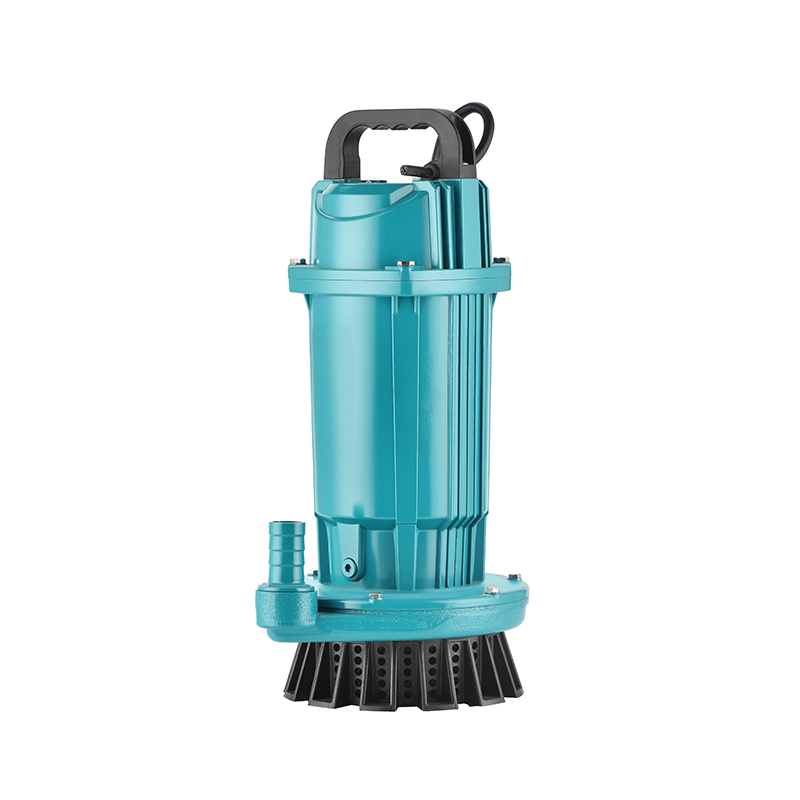
Submersible Sewage Pumps:
Fully submerged in wastewater.
Ideal for residential or commercial use with moderate flow rates.
Sewage Grinder Pumps:
Equipped with cutting blades to shred solids before pumping.
Best for high solid-content wastewater or locations with narrow pipes.
Effluent Pumps:
Designed for partially treated wastewater.
Commonly used in septic systems.
2. Determine the Required Flow Rate and Head Lift
The flow rate (measured in GPM or m³/h) and head lift (measured in meters or feet) are critical to ensuring the pump meets your system's demands.
Residential Applications:
Flow Rate: 50–100 GPM (11–23 m³/h)
Head Lift: 5–10 meters (16–33 ft)
Commercial/Industrial Applications:
Flow Rate: 150–300+ GPM (34–68+ m³/h)
Head Lift: 15–25 meters (49–82 ft)
Pro Tip: A higher head lift is essential if the wastewater needs to be pumped uphill or across long distances.
3. Consider Impeller Design for Solid Handling
Impellers come in different designs, each suited for specific wastewater conditions.
Vortex (Recessed) Impellers:
Excellent for handling large solids and fibrous materials.
Best for domestic and industrial sewage systems.
Channel Impellers: