Home Water Supply System: What Affects Water Pressure & How to Fix Low Water Pressure?
Have you ever turned on a faucet only to find a weak trickle instead of a strong, steady stream? Low water pressure is a common household issue that can make daily tasks like showering, washing dishes, or watering the garden frustrating. Understanding the factors that affect water pressure and how to fix them can help you achieve a more efficient and comfortable home water supply system.
In this guide, we’ll explore the main causes of low water pressure and the best solutions to improve it.
�� What Causes Low Water Pressure at Home?
1️⃣ Municipal Water Supply Issues
✅ Cause: If your home relies on city water, fluctuations in the municipal supply can directly impact your water pressure. Peak usage hours, maintenance work, or aging water infrastructure can all lead to reduced pressure.
�� Solution: Contact your local water supplier to check if there are known issues. If the problem persists, consider installing a booster pump to stabilize your water pressure.
2️⃣ Small or Clogged Pipes
✅ Cause: Narrow, old, or mineral-clogged pipes can restrict water flow, reducing pressure in certain areas of your home.
�� Solution: If your pipes are old and corroded, replacing them with wider diameter pipes can improve water flow. If clogging is the issue, flushing or cleaning the pipes may help.
3️⃣ High Water Demand in the Household
✅ Cause: Running multiple water-using appliances at the same time (showers, dishwashers, washing machines) can reduce pressure.
�� Solution: Upgrade to a booster pump to maintain consistent pressure even when multiple outlets are in use.
4️⃣ Leaks in the Plumbing System
✅ Cause: Even small leaks in pipes, faucets, or valves can cause significant pressure drops.
�� Solution: Check your plumbing system for leaks and fix them immediately to prevent water loss and pressure issues.
5️⃣ Water Heater Issues
✅ Cause: If your hot water pressure is significantly lower than cold water pressure, the water heater may be the issue. Sediment buildup inside the heater or a faulty valve can restrict flow.
�� Solution: Flush your water heater to remove sediment and ensure the check valve is working properly.
6️⃣ Elevation & Water Tank Position
✅ Cause: If your water supply relies on a roof tank or well system, the height of the tank can affect pressure. The higher the tank, the stronger the pressure.
�� Solution: If your home is at a lower elevation than the supply source, you may need a pressure-boosting pump to maintain proper flow.
�� How to Improve Low Water Pressure?
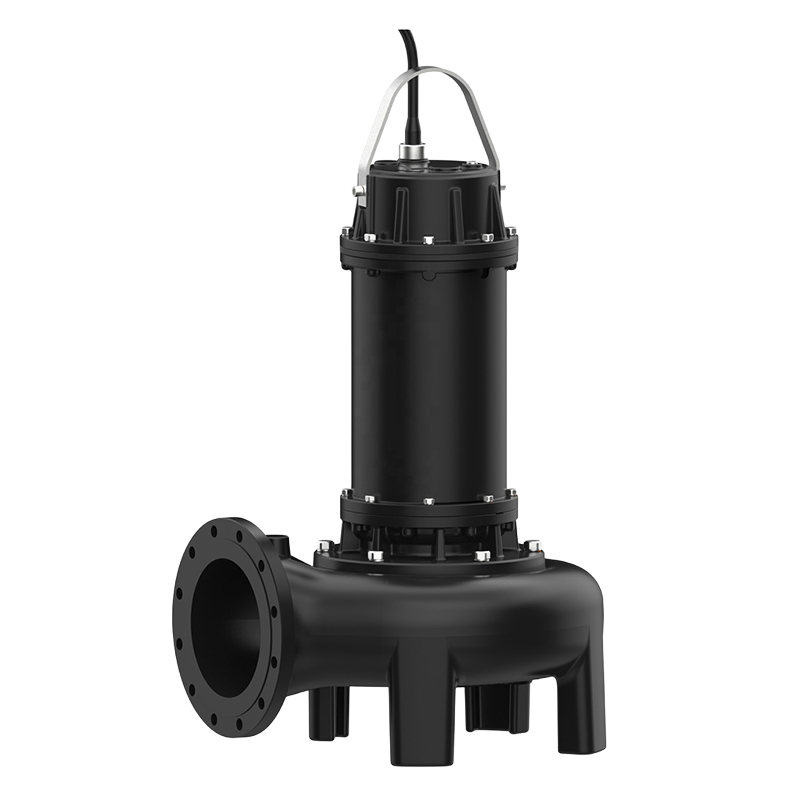
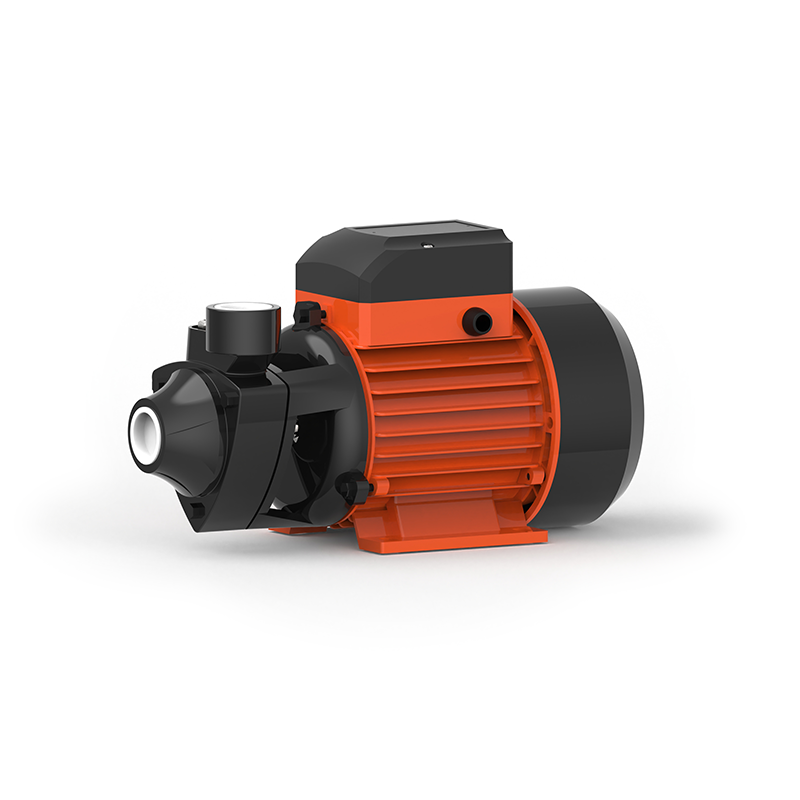
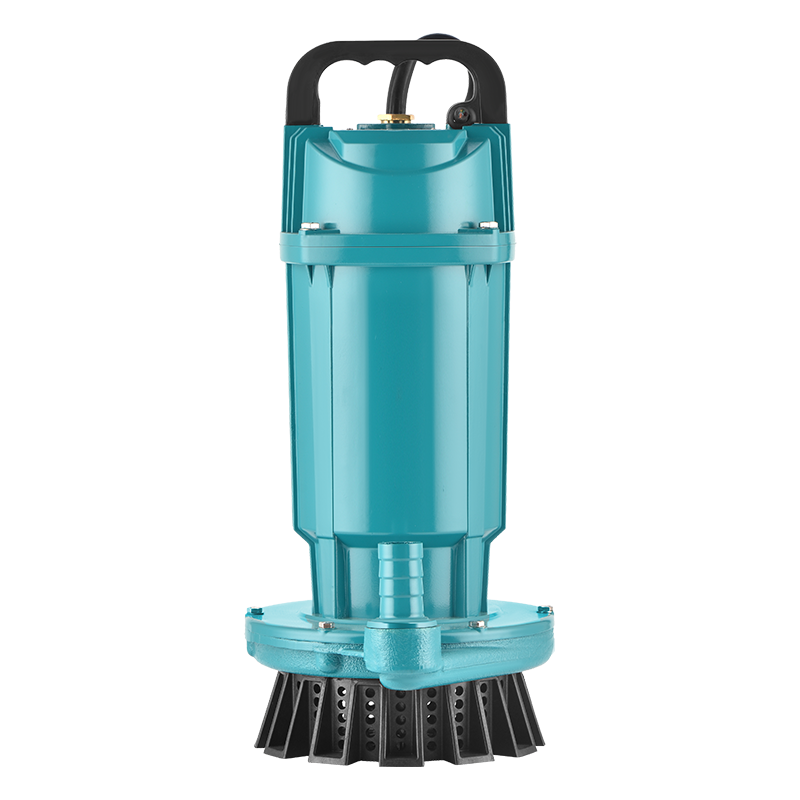
�� Install a Booster Pump: If your home has consistently low water pressure, a pressure booster pump like AI Pump can ensure steady and strong water flow.
�� Clean or Replace Pipes: If pipes are clogged or corroded, cleaning or upgrading them will improve pressure.
�� Check for Leaks: Fix any leaks to prevent unnecessary pressure drops.
�� Optimize Water Usage: Avoid using multiple water-heavy appliances at the same time.
�� Inspect Your Water Heater: Flush out sediment and check valves for proper function.
�� Upgrade Your Home Water System with AI Pump
Low water pressure doesn't have to be a daily struggle. By identifying the root cause—whether it’s supply issues, pipe problems, or high demand—you can take steps to restore strong, consistent water pressure.
�� Need an easy fix? Try AI Pump to instantly boost your home’s water pressure! Click here to learn more.