What Is a Sewage Pump and How Does It Work?
A Basic Guide to Submersible Sewage Pumps and Their Role in Wastewater Management
If you’ve ever wondered how wastewater from your basement, kitchen, or public restrooms is moved safely away, the answer often lies in a powerful yet overlooked machine: the sewage pump.
What Is a Sewage Pump?
A sewage pump is a type of pump designed to transfer wastewater containing solids from one location to another. It is commonly used in residential, commercial, and municipal applications—especially where gravity flow is not possible.
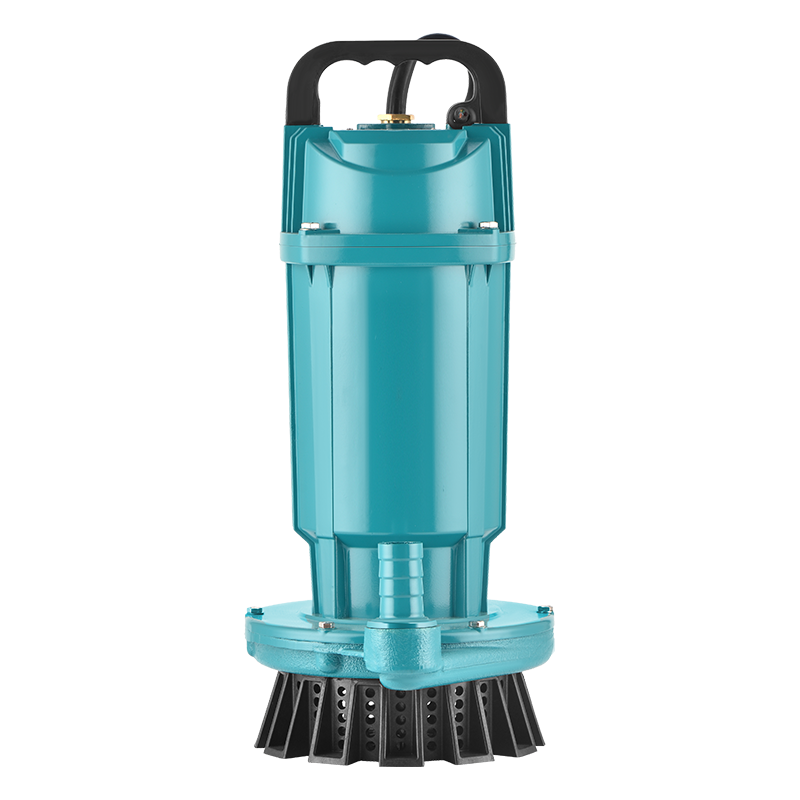
There are different types of sewage pumps, but one of the most widely used is the submersible sewage pump. This type of pump is installed underwater, typically inside a sump pit or wastewater basin.
How Does a Sewage Pump Work?
The working principle of a sewage pump is relatively straightforward:
- Wastewater flows into a pit or tank from household drains, toilets, or machinery.
- When the water level reaches a certain point, a float switch triggers the pump.
- The pump motor activates, and the impeller spins to create centrifugal force.
- This force pushes the liquid and suspended solids through the discharge pipe, sending the wastewater to a sewer system or septic tank.